Separate a visible change from its cause
Teeth can change position after orthodontic treatment and over the years. Retainer wear, appliance damage, changes in the bite, and oral-health conditions may be relevant, but the cause cannot be established from an old photograph. Avoid reducing the discussion to blame about whether you wore a retainer enough. An accurate history is useful because it helps the dentist plan what happens next.
Write down when you first noticed the change and whether it seems stable or progressing. Mention new spaces, a different biting contact, or discomfort as well as appearance. Sudden movement or new looseness deserves dental assessment rather than an assumption that it is ordinary relapse.
Bring records without assuming old plans still apply
If available, bring your retainer, approximate treatment dates, earlier photographs, and details of previous extractions or other orthodontic procedures. The current practice may request records from the original provider with your consent. Those records can add context, but a new clinician still needs to assess today’s teeth, gums, bite, and relevant imaging.
If you no longer have the records, explain what you remember rather than delaying the consultation indefinitely. Your current dental history matters too: crowns, implants, bridges, injuries, or periodontal treatment may have occurred after braces and can affect the available options.
Decide whether the aim is maintenance or correction
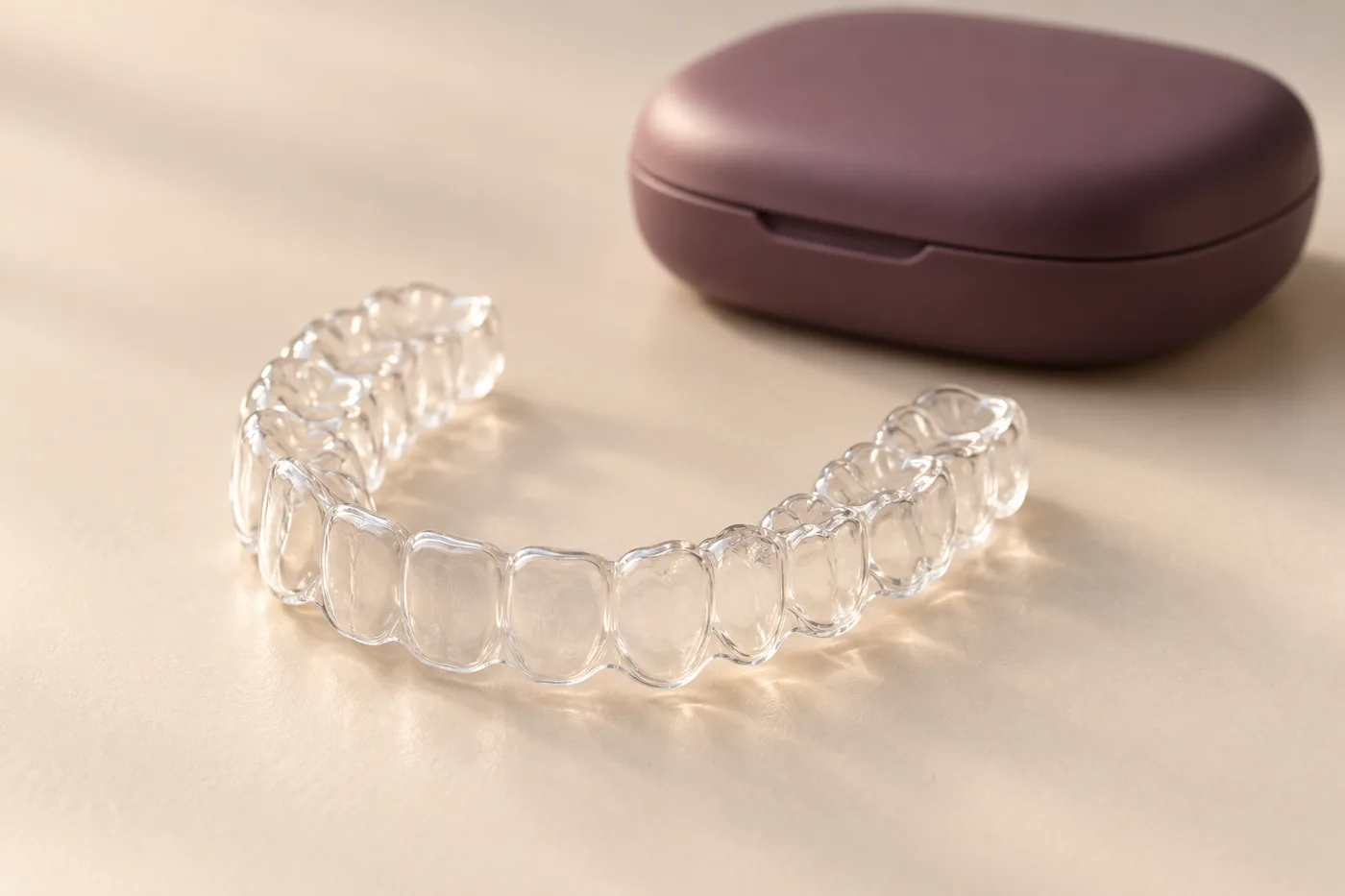
A replacement retainer and a new course of Invisalign serve different purposes. A retainer generally maintains positions; active aligners are prescribed to move teeth. If you are comfortable with the present arrangement, the discussion may focus on preventing further unwanted change. If you want teeth repositioned, the dentist should explain the assessment and treatment needed for that goal.
Do not force a retainer that no longer seats fully or attempt to use an old appliance as a home correction system. Bring it to the appointment. The professional can assess whether the appliance, the tooth positions, or both have changed and explain an appropriate next step.
Look beyond the one tooth that bothers you
A small visible irregularity does not necessarily mean only one tooth needs attention. Teeth contact their neighbours and the opposing arch, so a plan may need to consider space, rotations, and the bite together. Ask whether treating just the front teeth would leave a compromise, and how that compromise would affect the result you are seeking.
Invisalign may be an option, but braces or specialist input can be appropriate for selected cases. The appliance choice should follow the treatment goals. If more complex movement is involved, ask the Mission dentist how care would be coordinated rather than assuming that the most discreet appliance is always the best match.
Evaluate the proposed treatment as a new plan
Ask for the proposed scope, estimated time range, required appointments, and written fee. Clarify whether new attachments, elastics, or additional aligners may be needed. Earlier braces do not establish that a second treatment will be shorter, less expensive, or covered by an old agreement. Terms from the original provider should not be assumed to transfer to a different practice.
Compare the explanation of the goal with your own priorities. For example, someone who wants easier access for cleaning may value a different outcome from someone focused on a small front-tooth overlap. Ask how success will be assessed and which limitations are expected to remain.
Make retention part of the decision from the beginning
If further treatment is appropriate, discuss the retention strategy before committing. Ask which type of retainer is proposed, what the initial and longer-term wear instructions will be, and how replacements or repairs are arranged. A bonded retainer and a removable retainer have different responsibilities; either still requires monitoring and cleaning.
Identify what made the previous routine difficult. A lost case, an uncomfortable appliance, a change of address, or uncertainty about long-term wear each needs a different solution. The aim is to build a practical maintenance plan, not to assume that finishing another set of aligners will make future support unnecessary.
Explore your options in Mission
For an adult considering Invisalign after braces in Mission, either Heritage Dental Centre or Bridgeview Dental offers a complimentary consultation. Bring your current concerns and any available earlier records. Ask which further diagnostic services would be recommended and whether they have separate charges. You can use the visit to understand choices without deciding immediately.
If a retainer has recently stopped fitting or a tooth has become uncomfortable, arrange dental advice promptly rather than waiting until a convenient time to begin cosmetic treatment. The first task may be to investigate the change, even when a later aligner plan remains a possibility.
Your questions, answered.
Can Invisalign straighten teeth that shifted after braces?
It may be suitable for some patients. The dentist must assess the current teeth, bite, and supporting tissues before recommending a new course of movement.
Will I only need a few trays?
That cannot be determined from appearance alone. The required movements, bite relationships, and treatment goals influence the plan and estimated duration.
Do I need a new retainer after retreatment?
Expect a retention plan based on the finished tooth positions. Ask which appliances and follow-up arrangements are included; an old retainer should not be assumed to fit the new result.
Sources & further reading
Invisalign FAQs ↗AAO: adult orthodontic assessment and periodontal health ↗AAO: tooth movement after treatment ↗AAO: the role of retainers ↗AAO: retainer care and fit ↗Updated October 27, 2026. General education, not a diagnosis or personalized treatment instruction. Ask your treating dentist how the information applies to your care.