Overbite and overjet are different
Overbite refers to the vertical overlap of the upper and lower front teeth. Some overlap is normal. Overjet describes the horizontal distance between them. A person can have increased overbite, increased overjet, both or neither. Your dentist measures and interprets these features alongside the rest of the bite, rather than diagnosing a problem from the appearance of one photograph.
Describe function as well as appearance
Tell the dentist if a tooth contacts the gum, if biting through food is difficult, or if you have noticed wear. Explain when the problem occurs rather than attributing it to a particular bite label yourself. Photographs show only part of how the teeth meet during use. Your description helps the clinician decide what to examine and whether the concern belongs in an orthodontic plan, another dental assessment, or both. A cosmetic goal and a symptom should be recorded separately.
Age and treatment goals change the conversation
A growing child and an adult with a similar-looking bite may have different options. Growth-related decisions require an assessment of development; an adult plan works within a different set of limits. Do not assume that an appliance or feature advertised for one age group applies to every patient. Ask whether the concern is primarily tooth position, skeletal relationship or both.
For an adult, the discussion may include how much improvement can reasonably be achieved by moving teeth and what a more comprehensive alternative would involve. For a child, timing and monitoring may be important parts of the recommendation. Neither situation can be reduced to whether the upper front teeth look too far forward in a selfie.
What an aligner plan may include
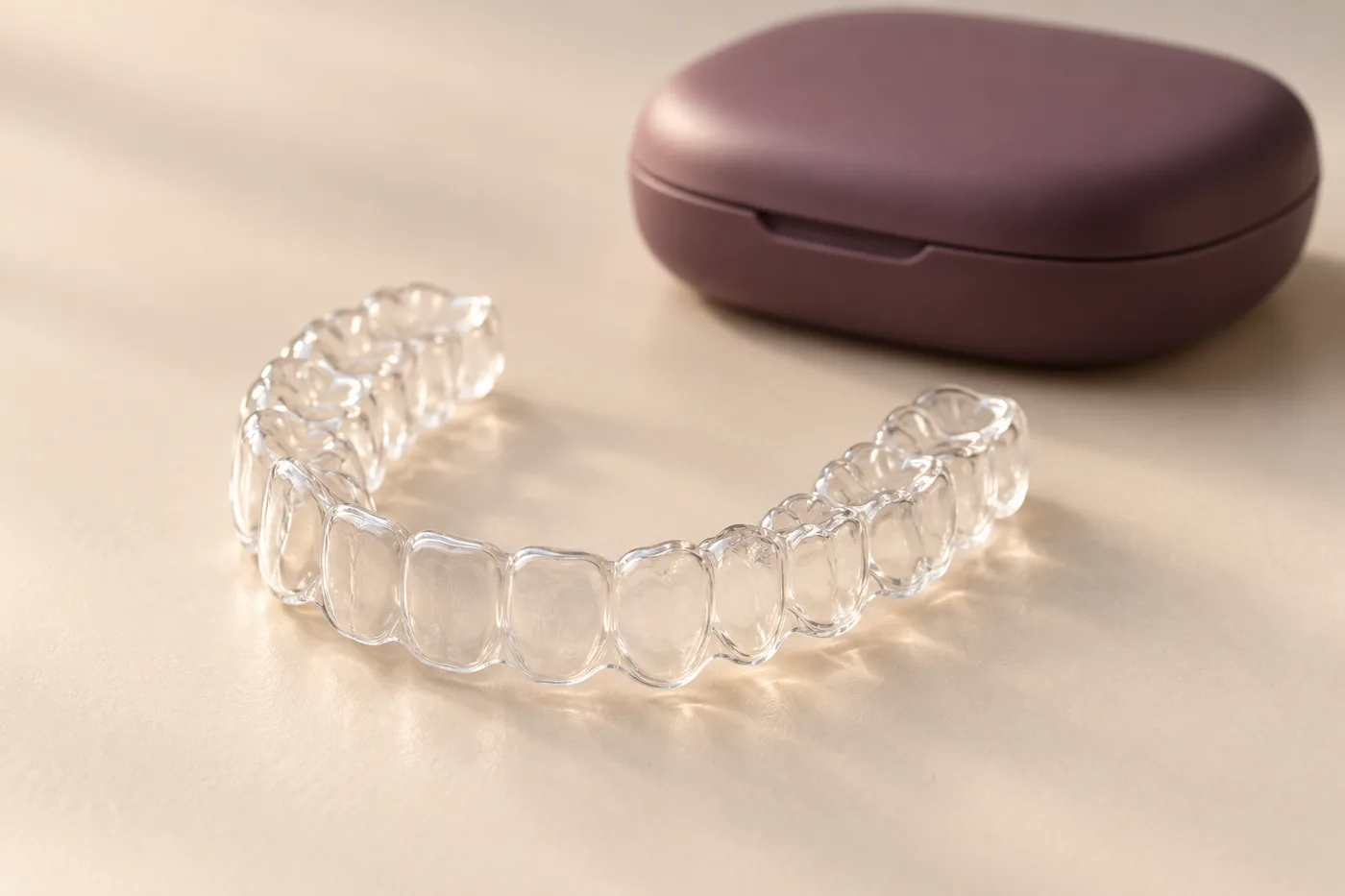
Selected deep-bite or overjet concerns may be treated with Invisalign, sometimes using attachments, elastics or other features prescribed by the clinician. The details depend on the diagnosis and planned movements. Do not copy elastic placement from an online video or another patient. The direction of the force is part of the treatment prescription and needs to be specific to you.
Why the back teeth belong in the discussion
An overbite is measured at the front, but the way the back teeth contact can influence the treatment strategy. Your dentist checks how the arches meet rather than looking only at the amount of overlap in a smiling photograph. Tooth wear, restorations and missing teeth may add other considerations. Bring up any spot where a tooth bites into the gum or where contact feels uncomfortable.
Ask what changes are planned in the front and back of the mouth, and how those changes work together. A plan that makes front teeth look more even does not necessarily address every bite issue. Understanding the intended scope helps you compare treatment proposals on their clinical goals rather than their appearance alone.
Discuss symptoms without assuming a cause
Tell your dentist about wear, discomfort or difficulty biting, but do not assume that changing the bite will resolve every symptom. Jaw pain and headaches can have several causes. The consultation should distinguish the alignment goals from other conditions that may need their own evaluation. A careful explanation of uncertainty is more useful than a promise that orthodontics will cure unrelated problems.
Questions for an Invisalign bite consultation
When meeting a Mission dentist, ask for separate explanations of overbite and overjet if both are present. Request a description of the intended change, any attachments or elastics, and the signs the team will use to judge progress. If your priority is appearance, say so; if you are worried about biting or tooth wear, explain that separately. The treatment discussion should address the concerns you actually have.
If two proposed plans differ, compare what each is trying to accomplish. One may deliberately focus on alignment while another includes more bite correction. Ask what limitations or compromises would remain in either case. That comparison is more informative than selecting the shortest estimate without knowing what it includes.
Know how progress and completion are judged
Ask which changes the dentist expects, how they will be assessed and whether there are limitations. Tooth positions and bite contacts need review as treatment progresses. Additional aligners may sometimes be appropriate. Retention is planned after active treatment, and the final assessment should consider how the teeth meet as well as their appearance.
Your questions, answered.
Is any overbite abnormal?
No. Some vertical overlap is normal. Your dentist evaluates the amount and whether it is associated with a treatment need.
Will Invisalign fix my jaw position?
That cannot be assumed. The distinction between tooth position and skeletal relationships matters, and some cases need specialist assessment.
Can I ask about this at a complimentary consultation?
Yes. Both featured Mission practices offer complimentary Invisalign consultations. Ask whether additional diagnostic records would be needed to assess your bite fully.
Sources & further reading
Treatable cases ↗American Association of Orthodontists — Aligners ↗Updated October 27, 2026. General education, not a diagnosis or personalized treatment instruction. Ask your treating dentist how the information applies to your care.